So today is Holy Tuesday. Lots of events happened on Tuesday of the last week of Christ’s life. The religious leaders questioned His authority while He was teaching in the temple. The disciples noticed that the fig tree He had cursed the day before had withered from the roots. He told many parables, including the parable of the Ten Virgins, the parable of the Two Sons, the parable of the Tenants, and the parable of the Wedding Banquet. Jesus was questioned about paying the Imperial Tax to Caesar. He taught on the signs of the end times and on whose son the Messiah would be. Lots of things to focus on today, but I am choosing to focus on the Cursing of the Fig Tree.
The story of Jesus cursing the fig tree is found in Matthew 21:18-22 and in Mark 11:12-14 and 20-25. There are a couple differences between the two accounts. For example, Matthew has Jesus going to Jerusalem, cursing the fig tree, and then cleansing the temple. The way he tells the story it appears that the fig tree withered instantly, and the entire episode occurred in one day. Mark has Jesus and the disciples seeing the fig tree on the way to Jerusalem. Jesus curses it. Then they notice after returning from Jerusalem the next morning that the fig tree has withered up.
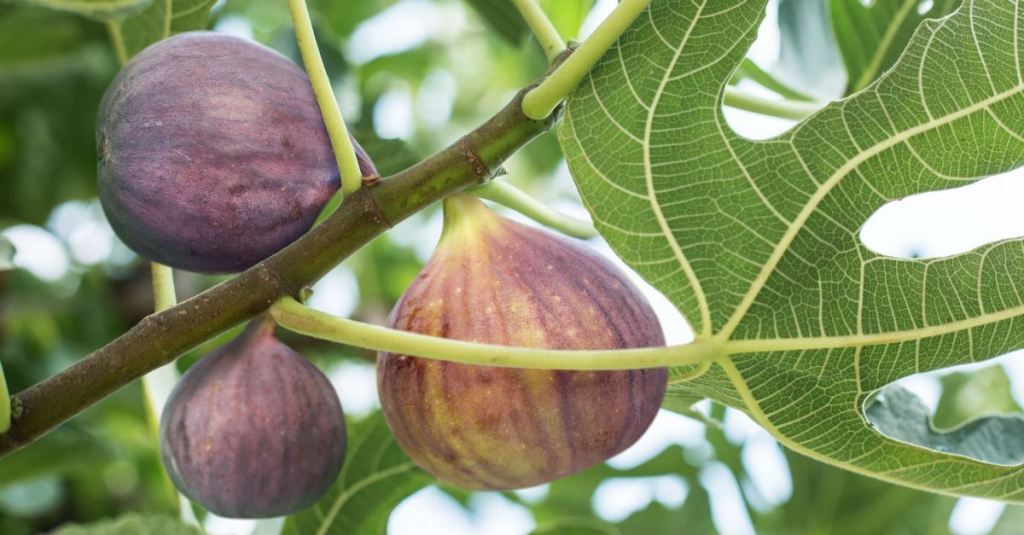
What’s going on with this story? We have Jesus traveling along the road from Bethany to Jerusalem. He is hungry. He sees a fig tree in the distance and goes to see if it has figs. Mark tells us that it was not the season for figs. Jesus goes to the tree and finds only leaves. Then He curses the tree by saying “May no one eat fruit from you ever again.” The next day, Peter draws attention to the fact the tree has withered from the roots, and Jesus gives a small lesson on faith and prayer. So why a fig tree? Why curse it when it doesn’t have figs if it’s not the season for figs? And what does any of this have to do with faith and prayer?
As with any story in the Bible, you have to consider the original audience. What would the people in the story have understood from what was going on? What did it mean to them? In the Old Testament, fig trees were a symbol of peace and prosperity (Micah 4:4 and Zechariah 8:12). God often promised in various Old Testament prophecies that He would destroy the fig tree and the vine to punish Israel for their disobedience (Jeremiah 8:13), and that He would restore the fig tree and the vine in the Day of the Lord (Joel 2:22). Likewise, the fig tree often represented the nation of Israel itself (Isaiah 27:6). So when a story involves a fig tree, you can bet that those people present at the time are going to be aware that it might be a lesson about Israel itself and about Israel’s obedience to the Lord.
The other thing you need to know about fig trees is that they produce more than one crop. There is what is known as a “breba” crop. This is a crop that grows out of season. Breba crops occur early in the Spring. The fruit grows on the mature branches produced from the previous year’s growth. It is a small crop, but it produces the largest, sweet figs at a time when the other trees are no where near ripening. Also, fig trees produce fruit before their leaves unfurl. That is, if you see a tree with leaves all over it, then you can expect to find fruit on it. During the season, you might find the typical crop. This would be a numerous amount of fruit, but it would be produced on the new year’s growth, the green wood. Out of season, you could expect to find a breba crop on a tree that was full of leaves.
When Jesus sees the tree in the distance, He notices that it is full of leaves. He goes to the tree fully expecting to find fruit their. Instead, He finds nothing. If we look at the fig tree as a symbol, we can clearly see the link between the fig tree and what Jesus has just seen (or will just see if you are going with Matthew’s timeline) in Jerusalem. Israel is a fig tree. It should have mature branches: the Jewish leaders–the priests, Rabbis, Pharisees, Sadducees, scribes, and other teachers of the law. These men studied the Torah faithfully. If anyone should know what God is doing and who God is, it’s these men! So when Jesus enters Jerusalem, He expects to find righteous fruit on these mature branches, even though it’s out of season. Instead, Jesus finds a spirit of religion. These men have no idea what righteousness mean. They are not worshiping God. They are seeking acclaim and authority for themselves.
At the temple, they are encouraging buying and selling and profiting off of God’s worship. They are not feeding the people who come to the temple in search of God and His Word. They have lots of outward signs of piety….They wear their robes and phylacteries. They pray long prayers. They go about making a big show of their righteousness. They stay away from sinners. They ritually wash. They follow all the rules and requirements, even the ones they’ve made up for themselves, but their hearts are far from God. They are like the fig tree. Lots of leaves to look at….the expectation of good fruit…but barren and disappointing. The religion of these men will feed no one!
The next day, Peter notices that the fig tree has withered. Ordinarily, it takes a long time for a fig tree to wither. Even cut fig wood takes and especially long time to dry out, but this tree has withered from the roots up in the space of a single day. Jesus had displayed not only a prophetic act of judgement against the nation of Israel as a whole, and more specifically against the religious leaders of the nation of Israel, but He had also put on display the power of God. Prophetic examples are often accompanied by miraculous displays of power. Peter comments on this, and Jesus responds: “Have faith in God!” This seems like a complete non sequitur, but just as with the cleansing of the temple Jesus is making a larger point here.
If the fig tree with its leaves and lack of fruit represents the emptiness of the religious acts at the temple and the hypocrisy of the overly religious Jewish leaders, then the faith that causes the tree to wither represents a new way of doing things. The empty religious expressions of worship are being replaced by relational expression of faith through prayer and forgiveness. And it was absolutely faith that Jesus used in cursing the fig tree. Romans 4:16-22 tells us that God calls things that are not as though they are. God looks into the future and calls forth what He sees. We know that faith is the evidence of things not (yet) seen. It is faith that looks into the future and calls forth what God sees. When Jesus looked at that fig tree, He saw what no one else did. He saw the true heart of the matter–this tree was not producing. There was something wrong with it. He spoke that truth forth: “May no one eat fruit from you ever again.” And because Jesus did not doubt, the tree manifested what Jesus had already seen. It withered from the roots (the source of its nutrients) up.
When we operate in faith, prayer, and forgiveness, when we have the appropriate focus on God in our worship, we will have healthy roots. We will be strong and thriving, and we will bring forth fruit: love, joy, peace, patience, kindness, goodness, faithfulness, gentleness, and self-control. If all we have are good works (pretty leaves) but no fruit, we are in danger of withering away. That’s why Jesus told us in John 15:5 that if we remain in Him (connected in relationship) and He remains in us, we will bear much fruit. Without that connection to Jesus, we can do nothing.
So as we focus our minds on Holy Tuesday, looking forward to the sacrifice Jesus will pay on our behalf on Good Friday, let us evaluate our lives. Are we fig trees with mature branches producing fruit in and out of season? Do we have fruit as well as good works? Are we abiding in Jesus so that our roots are strong and firm and well fed? Or are we like the fig tree along the wayside? Have we lots of outward signs, lots of empty works, with no real substance? Do we put on a good show for others without producing fruit, even in season? Have we let our roots become damaged? God will give us mercy if we repent. He will work with us to get us healthy and producing fruit again (parable of the fig tree in Luke 21:29-33, but He will not wait forever.
 A Beautiful Mess